How to Fix a Blocked Drain in Estevão de Carvalho (A.E. Carvalho), São Paulo SP
By the end of this article, you will know exactly what to do when a drain in Estevão de Carvalho (A.E. Carvalho) stays blocked after you have already tried plunging, pouring hot water, or using a store-bought auger. The neighborhood sits in the east zone of São Paulo, where older homes, mixed-use buildings, and busy commercial streets often share aging sewer lines. That means a simple clog can be a symptom of a larger problem in the building’s plumbing or the public network. The fastest route to a working drain is usually a professional desentupidora em Estevão de Carvalho (A.E. Carvalho) São Paulo SP that knows the local pipe layouts and can bring the right equipment on the first visit.
Why DIY Methods Fail in A.E. Carvalho and What Local Drain Experts Do Differently
Most people who search for drain help in A.E. Carvalho have already tried the obvious fixes. A plunger, a bottle of drain cleaner, or a hand snake might clear a small hair clog in a bathroom sink, but they rarely solve the problems that are common in this part of São Paulo. The neighborhood has a mix of construction styles: some buildings date back decades and still use cast iron or galvanized steel pipes, while newer renovations connect to the same overloaded street mains. When a blockage sits deep in the line or involves grease, roots, or collapsed pipe sections, manual tools only push the problem further down.
Professional teams start by identifying the type of blockage before they touch the drain. That step alone saves hours. A camera inspection shows whether the obstruction is a soft clog, a buildup of scale, or a broken pipe that has filled with soil. Once the cause is known, the technician chooses between mechanical augers, high-pressure water jetting, or a sectional repair. This is the difference between a temporary fix and a lasting solution.
Common Blockage Patterns in Estevão de Carvalho
Local plumbers see recurring patterns in the area. Kitchens in older homes often have undersized grease traps, so cooking oil accumulates and hardens along the pipe walls. Bathrooms in apartment buildings suffer from hair and soap scum, especially where several units share a vertical stack. Ground-floor commercial kitchens and laundries tend to overload floor drains with lint, food particles, and cleaning chemicals. In houses with mature trees near the sidewalk, roots can enter cracked clay or concrete pipes and create a mesh that catches everything else.
Another pattern is the shared responsibility between private plumbing and the public sewer. In A.E. Carvalho, many properties connect to the municipal network through a short private stretch under the sidewalk. When that stretch clogs, residents often blame the city, but the fix is on the property side. A local technician knows how to check the boundary and advise whether the issue needs a private repair, a request to the water utility, or both.
What a Professional Assessment Includes
A proper assessment goes beyond looking at the slow drain. The technician will ask when the problem started, whether multiple fixtures are affected, and if there have been recent backups in the street. They will inspect cleanouts, check vent stacks, and test water flow at different points. If the building has a basement or a lower-level bathroom, they will verify whether sewage is rising there, which indicates a main line blockage rather than a branch clog.
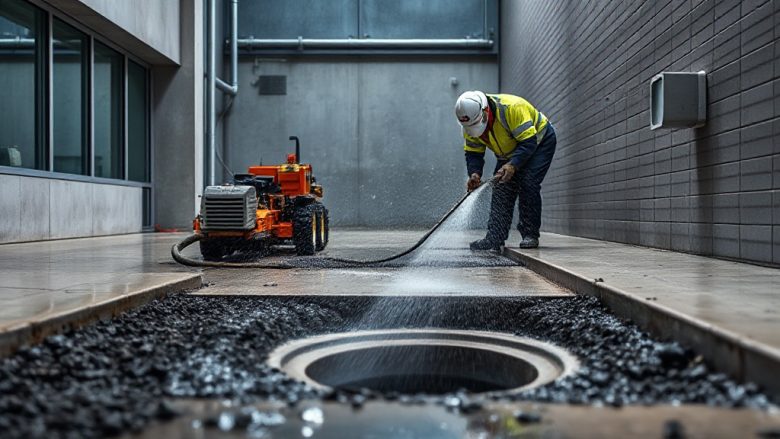
In some cases, the technician will recommend hydrojetting even if the drain is currently flowing. Hydrojetting uses high-pressure water to scour the inside of the pipe, removing grease, scale, and sediment that a snake would miss. This preventive step is especially useful for restaurants, condominiums, and any property that has had repeated clogs. For a private home, it can be the difference between calling a plumber once a year and calling every other month.
Comparing Your Options: DIY, Handyman, and a Dedicated Drain Service
When a drain fails, you have three realistic choices in Estevão de Carvalho: keep trying DIY methods, hire a general handyman, or call a dedicated drain and sewer company. Each option has trade-offs in cost, speed, and long-term results. The right choice depends on how many fixtures are affected, whether the blockage is recurring, and how much time you can afford to lose.
DIY and Store-Bought Solutions
DIY works for simple, localized clogs. A plunger can clear a sink or toilet if the blockage is close to the fixture. A hand auger can reach a few meters into a branch line. Chemical cleaners are popular, but they can damage older pipes and are dangerous to mix with other products. In A.E. Carvalho’s older buildings, chemical drain cleaners are a risky choice because the pipes may already be corroded. If you have tried two or three DIY methods and the water still drains slowly, the problem is likely beyond the reach of household tools.
One common mistake is to keep pouring chemicals after the first attempt fails. This can leave a pool of caustic liquid sitting in the pipe, which is hazardous for anyone who later opens a cleanout. Another mistake is to use a plunger on a main line cleanout, which can force wastewater into other fixtures. If you are unsure where the blockage is, stop and call a professional.
General Handyman vs. Specialized Drain Company
A handyman can handle minor plumbing repairs, but most do not carry the equipment needed for deep blockages. They may not have a camera, a hydrojetting machine, or the training to work safely around sewage. A specialized drain company brings the right tools and knows the local network. They can also provide a written report for a condominium manager or landlord, which matters when the repair cost needs to be shared or approved.
Cost is another factor. A handyman may charge less per hour, but if the fix fails, you pay twice. A dedicated service typically provides a clear diagnosis and a warranty on the work. For a recurring problem in a building with multiple units, the specialized route is almost always cheaper over time. For a single slow sink in a newer apartment, a handyman might be sufficient, but you should still ask whether they have a camera to confirm the cause.
Emergency vs. Scheduled Service
Emergency service is for active backups, sewage odors, or water rising where it should not. In these situations, waiting until the next business day can lead to property damage and health risks. A 24-hour drain service can arrive at night or on a weekend and stop the immediate problem. Scheduled service is better for preventive maintenance, camera inspections, and hydrojetting that is planned in advance. Many companies in São Paulo offer both, and the price difference is often smaller than people expect.
If you are a condominium manager in A.E. Carvalho, consider setting up a preventive schedule for the main lines and grease traps. A planned hydrojetting visit once or twice a year can prevent the emergency calls that disrupt residents and damage common areas. For restaurants and commercial kitchens, quarterly service is often the minimum to keep floor drains flowing.
What to Ask Before You Hire
Before you hire any company, ask three questions: Do you use a camera to diagnose the blockage? Do you provide a written estimate before starting? And do you offer a warranty on the service? A reputable company will answer all three without hesitation. You should also confirm that they have experience with the type of building you have, whether it is a house, an apartment, or a commercial space. In Estevão de Carvalho, local experience matters because the plumbing styles vary from block to block.
It is also worth asking about the disposal of waste. A professional service removes the debris and disposes of it according to local regulations. This is especially important for grease and sewage, which cannot be dumped into the regular trash. If a company cannot explain how they handle waste, look for another provider.
Practical Closing: Your Next Steps for a Drain That Finally Stays Clear
If you have already tried the basic fixes and your drain is still slow or backing up, the most practical next step is to get a professional diagnosis. In Estevão de Carvalho, that means calling a local desentupidora Estevão de Carvalho (A.E. Carvalho) that can inspect the line and explain the cause before quoting a price. Do not wait for a small clog to become a sewage backup. A camera inspection and a targeted cleaning are usually faster and less expensive than repairing water damage later.
For property managers and homeowners who have dealt with repeated clogs, ask about a preventive maintenance plan. A scheduled hydrojetting or line cleaning can remove the buildup that causes emergencies. If you are comparing providers, use the three questions above as a checklist. The company that answers them clearly and offers a warranty is the one to hire. And if the problem is urgent, call a 24-hour service rather than waiting. The goal is not just to clear the drain today, but to keep it clear through the next rainy season and the next busy month at your business.
Finally, keep a record of the service. Note the date, the cause of the blockage, and the method used. If the same problem returns, that record helps the next technician understand the history and avoid repeating the same temporary fix. A reliable desentupidora Estevão de Carvalho (A.E. Carvalho) São Paulo SP will appreciate that information and use it to solve the problem at its source.
Frequently Asked Questions About Drain Service in A.E. Carvalho
How quickly can a drain service arrive in Estevão de Carvalho?
Response times vary by company and time of day, but a dedicated 24-hour service in São Paulo typically aims to arrive within a few hours for emergency calls. When you call, give the exact address and describe whether the backup is in a single fixture or multiple fixtures. That helps the dispatcher send the right equipment on the first visit.
Can I use chemical drain cleaner if my pipes are old?
It is not recommended. Older pipes in A.E. Carvalho may be corroded or made of materials that react badly to caustic chemicals. Chemical cleaners can also damage the pipe further and create a hazardous situation for anyone who later opens the line. Mechanical cleaning or hydrojetting is safer for older plumbing.
What is the difference between snaking and hydrojetting?
Snaking uses a rotating cable to break up or pull out a clog. It is effective for soft blockages like hair or paper. Hydrojetting uses high-pressure water to scour the entire pipe wall, removing grease, scale, and sediment. Hydrojetting is better for recurring clogs and for commercial lines, while snaking is often enough for a single branch line.
Who is responsible for the sewer line under the sidewalk?
In most cases, the property owner is responsible for the private line up to the connection point with the public sewer. The local water utility handles the public main. A technician can inspect the boundary and tell you which side the blockage is on, so you know whether to call a private service or the utility.
Do I need a preventive maintenance plan for my home?
If you have had more than one clog in the past year, or if you live in an older building with mature trees nearby, a maintenance plan is worth considering. A yearly inspection and cleaning can catch problems before they become emergencies. For commercial kitchens and condominiums, more frequent service is usually necessary.